<?xml version="1.0" encoding="UTF-8"?><feed xmlns="http://www.w3.org/2005/Atom" xmlns:dc="http://purl.org/dc/elements/1.1/">
                                        <id>https://www.hapi.eu.com/blog</id>
                                            <link rel="self" href="https://www.hapi.eu.com/blog"></link>
                                <title><![CDATA[Blog]]></title>
                                                                                                                <updated>2026-02-11T20:31:36+00:00</updated>
                        
            <entry>
            <title><![CDATA[Why Your Project Feels Like Herding Cats (And How to Fix It)]]></title>
            <link rel="alternate" href="https://www.hapi.eu.com/blog/development-process/why-your-project-feels-like-herding-cats-and-how-to-fix-it" />
            <id>https://www.hapi.eu.com/blog/development-process/why-your-project-feels-like-herding-cats-and-how-to-fix-it</id>
            <author>
                <name><![CDATA[HAPI ]]></name>
                                    <email><![CDATA[5559@ucraft.forento.io]]></email>
                            </author>
            <summary type="html">
                <![CDATA[<p>  </p>
<p> </p>
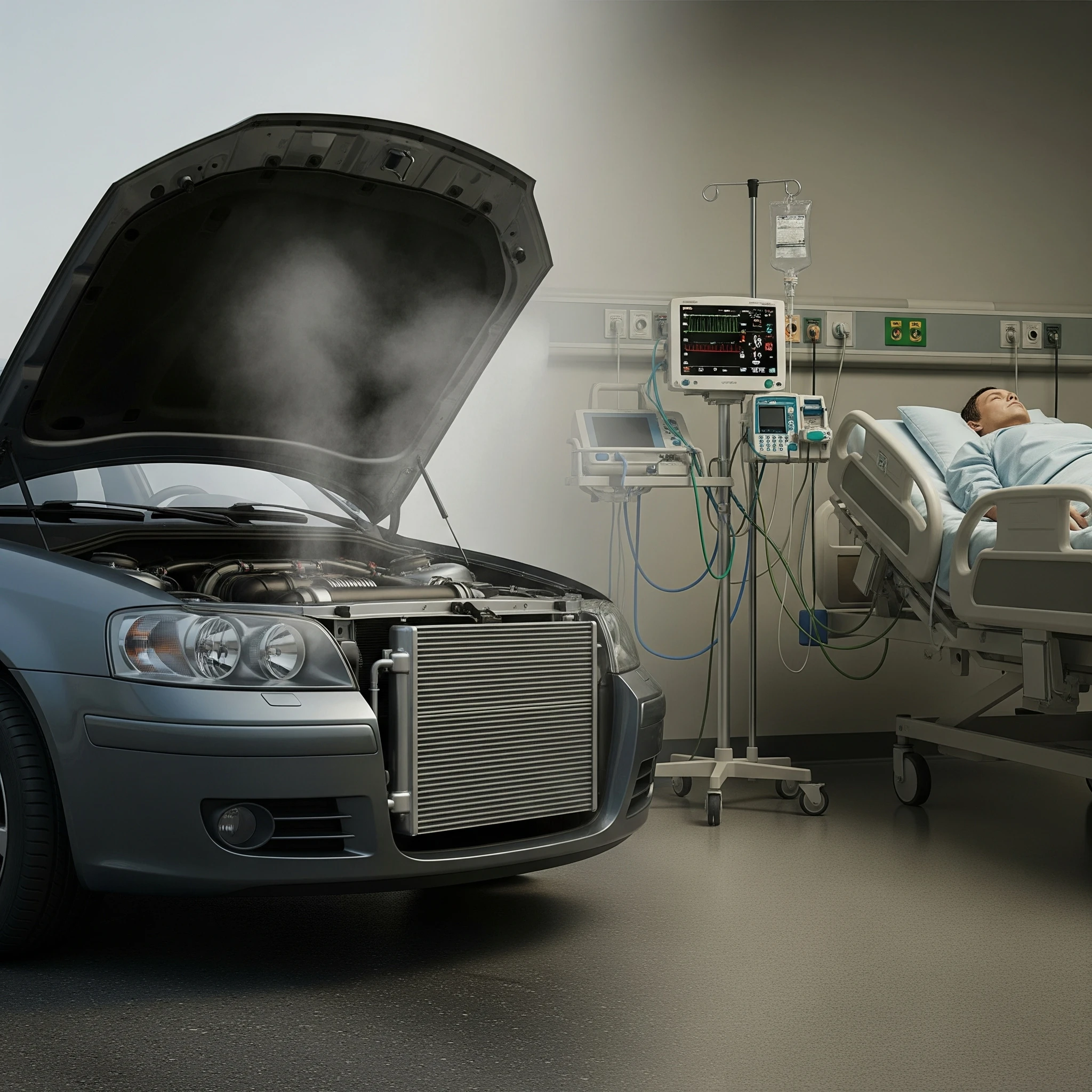
<p>Development processes—when done poorly—can feel like trying to assemble IKEA furniture without the instructions. You <strong>think</strong> you know where everything goes, but suddenly you’ve got screws left over, the shelves are upside down, and somehow the whole thing wobbles when you lean on it.  </p>
<p>But here’s the secret: <em><strong>processes aren’t the enemy</strong></em>. Bad ones are. </p>
<p> </p>
<h3>The Great Myth: "We Don’t Need Process, We Just Need to <em>Do Stuff</em>"</h3>
<p>Somewhere along the way, "process" got a bad rap. It became synonymous with red tape, endless meetings, and soul-crushing bureaucracy. But the truth?</p>
<p><strong>A great process is like a GPS for your project—it doesn’t slow you down, it keeps you from driving in circles.</strong></p>
<ul>
<li><strong>Waterfall</strong> is your grandpa’s roadmap—detailed, linear, and great when you *know* the destination.</li>
<li><strong>Agile</strong> is Waze—constantly rerouting based on traffic (or stakeholder whims).</li>
<li><strong>The V-Model</strong> is the obsessive engineer’s dream—every requirement gets a matching test, like a perfectly balanced seesaw.</li>
<li><strong>Hybrid models?</strong> That’s when you let your GPS argue with Waze mid-drive.  </li>
</ul>
<p> </p>
<p>The point? <strong>No single methodology is "the best."</strong> But <em>not</em> having one? That’s like building a skyscraper with no blueprints.</p>
<p> </p>
<h3>"But We’re Not Building Medical Devices—Why Should We Care?"</h3>
<p>Ah, the classic defense: <em>"We’re not regulated, so we can wing it!"</em></p>
<p>Here’s the thing—<strong>good process isn’t just about compliance</strong>. It’s about:</p>
<p>\u2705 <strong>Not reinventing the wheel every sprint</strong> (because yes, someone already solved this problem last year).<br>\u2705 <strong>Avoiding the "Oh crap, we forgot to test that" moment</strong> (usually discovered <em>after</em> launch).  <br>\u2705 <strong>Actually knowing why you’re building something</strong> (instead of just nodding in meetings and hoping for the best).</p>
<p> </p>
<p>Whether you're coding the next fintech unicorn or designing a toaster, <strong>structure prevents regret</strong>.  </p>
<p> </p>
<h3>The Domino Effect: How One Bad Requirement Topples Everything</h3>
<p>Ever played Jenga? That’s your project when requirements, risks, and tasks aren’t linked.</p>
<ul>
<li><strong>Feature:</strong><em> "The app should load fast."</em></li>
<li><strong>Requirement:</strong> <em>"Load time under 2 seconds."</em></li>
<li><strong>Risk: </strong><em>"Server crashes under peak traffic."</em></li>
<li><strong>Task: </strong><em>"Optimize database queries, add caching."</em></li>
</ul>
<p> </p>
<p>If any piece is missing? <strong>The whole tower collapses.</strong></p>
<p>Requirements, risk, and project management—all of these go hand in hand with development (as do testing, validating tests, qualifying equipment, calibrating, etc.).</p>
<p> </p>
<h3>Agile Isn’t Magic (But It <em>Can</em> Feel Like It)  </h3>
<p>Agile gets hyped like it’s the corporate version of yoga—suddenly, everyone’s "flexible," "adaptable," and "mindful." But here’s the reality:  </p>
<ul>
<li><strong>Agile works when your team <em>actually</em> collaborates</strong> (not just when they’re forced into daily stand-ups).</li>
<li><strong>It fails when "fast iterations" just mean "fast chaos."</strong></li>
<li><strong>The best Agile teams treat documentation like a gym habit—painful at first, but life-saving later.</strong>  </li>
</ul>
<p> </p>
<p>Done right? Agile means <strong>fewer surprises, happier teams, and products that don’t suck.</strong></p>
<p>  </p>
<h2>Coming Soon: How to Stop Guessing and Start Delivering</h2>
<p>In our next learning units, we will cover small sections of this topic—with examples and templates from the open-source program<strong> <span style="text-decoration: underline; color: #3598db;"><a style="color: #3598db; text-decoration: underline;" href="https://github.com/hapi-ds/RxDx" target="_blank" rel="noopener noreferrer">RxDx</a></span></strong>.</p>
<p>Stay tuned—your future self (and your project manager) will thank you. \ud83d\ude80  </p>
<p><em>(Or just carry on as before. We'll be there when the Jenga tower falls.)</em></p>]]>
            </summary>
                            <link rel="enclosure" href="https://static.forento.site/fs/forento/userFiles/hapi/images/a-14-forento-blog-17708417822819.jpeg" length="33117" type="image/jpeg" />
                        <category term="Development Process" />
            <updated>2026-02-11T20:31:36+00:00</updated>
                    </entry>
            <entry>
            <title><![CDATA[Our HApi Roadmap: Navigating Risk Management and Validation for Med Device &amp; Pharma]]></title>
            <link rel="alternate" href="https://www.hapi.eu.com/blog/roadmap/our-hapi-roadmap-navigating-risk-management-and-validation-for-med-device-pharma" />
            <id>https://www.hapi.eu.com/blog/roadmap/our-hapi-roadmap-navigating-risk-management-and-validation-for-med-device-pharma</id>
            <author>
                <name><![CDATA[HAPI ]]></name>
                                    <email><![CDATA[5559@ucraft.forento.io]]></email>
                            </author>
            <summary type="html">
                <![CDATA[<p>At HApi, we're building a comprehensive resource designed to empower medical device and pharmaceutical manufacturers with practical, (nearly) ready-to-use tools documents for risk management and validation. Our goal is to provide a solid foundation and excellent starting points for your internal developments, saving you significant time and effort in fulfilling stringent regulatory requirements. This blog post outlines our current progress and what you can expect from our evolving course series.</p>
<p> </p>
<h3>Phase 1: Foundational Risk Management According to ISO 14971 (Completed)</h3>
<p> </p>
<p>Our journey begins with the bedrock of product safety: <strong>Risk Management according to ISO 14971:2019</strong>. This foundational course is now complete and available. (Note: This course is held in German, as it is mainly about the implementation of risk management (and I work in the DACH region). In general: work instructions are more likely to be written in German. Procedural instructions, templates etc. will be written in English. Therefore, all other content of this roadmap will be in English.) It provides a thorough understanding of how to systematically identify, evaluate, control, and monitor risks associated with medical devices.</p>
<p>Compliance with ISO 14971 is not merely a suggestion; it's a critical requirement explicitly referenced by regulatory bodies worldwide. For instance, the <strong>EU Medical Device Regulation (MDR 2017/745)</strong> and <strong>In Vitro Diagnostic Regulation (IVDR 2017/746)</strong> emphasize a robust risk management system throughout the entire product lifecycle. Similarly, the <strong>FDA's Quality System Regulation (21 CFR Part 820)</strong>, specifically 21 CFR 820.30(g) on design validation, implicitly requires comprehensive risk management. Our course lays out these principles, ensuring you build a compliant and effective risk management framework from the ground up.</p>
<p> </p>
<h3>Phase 2: High-Level Risk Analyses for an almost Real-World Medical Device (In Progress)</h3>
<p> </p>
<p>Building on the ISO 14971 foundation, our second phase is currently <strong>in progress</strong>. We are developing practical, "high-level" risk analyses, specifically a <strong>HAZOP (Hazard and Operability Study)</strong> and an <strong>FMEA (Failure Mode and Effects Analysis)</strong>, for a complex medical device we know very well: an <strong>in-line arterial blood gas analyzer (alBGA)</strong>.</p>
<p>The purpose of these analyses is not to be exhaustive, but rather to <strong>clearly illustrate the principles and methodologies</strong> in a tangible context. By following along with a realistic product example, you'll gain a deeper understanding of how these powerful risk assessment tools are applied. This practical insight is crucial for meeting the expectations of regulatory bodies like the FDA and EU authorities, which demand thorough and documented risk assessment as part of a product's technical documentation and design file.</p>
<p> </p>
<h3>Phase 3: Process-Specific FMEAs &amp; Beyond (Upcoming – 1-2 Documents per Month)</h3>
<p> </p>
<p>Following the high-level alBGA analyses, our roadmap will delve into <strong>FMEAs for specific manufacturing processes</strong>, which will also relate back to the alBGA. Expect to see detailed FMEAs for operations like <strong>weighing, bonding, coating</strong>, and other critical manufacturing steps.</p>
<p>These process-specific FMEAs are designed to be <strong>highly developed starting points</strong> for your own internal documentation. While every manufacturer's process is unique and will require adaptation, these templates will significantly reduce your development time. They address the requirements for <strong>Good Manufacturing Practices (GMP)</strong>, which are central to both <strong>FDA regulations (e.g., 21 CFR Part 820 for medical devices, 21 CFR Parts 210/211 for pharmaceuticals)</strong> and <strong>EU GMP Guidelines (e.g., EudraLex Volume 4)</strong>. Robust process FMEAs are vital for ensuring product quality and preventing non-conformities, directly contributing to compliance with standards like <strong>ISO 13485:2016</strong> (Medical devices – Quality management systems – Requirements for regulatory purposes).</p>
<p>You can expect these specialized FMEAs, along with subsequent validation documents, to be released regularly – approximately <strong>one to two new documents or templates per month</strong>.</p>
<p> </p>
<h3>Future Steps: Process, Test Method, and Computer System Validations (Upcoming)</h3>
<p> </p>
<p>Our roadmap continues with comprehensive guidance and templates for essential validation activities:</p>
<ul>
<li>
<p><strong>Process Validation (PV) Plans:</strong> Essential for demonstrating that your manufacturing processes consistently produce products meeting predetermined specifications. This directly supports GMP compliance and the quality system requirements of ISO 13485 and the MDR/IVDR.</p>
</li>
<li>
<p><strong>Test Method Validations (TMV):</strong> Ensuring your analytical and testing methods are fit for their intended purpose, a critical component of quality control.</p>
</li>
<li>
<p><strong>Computer System Validations (CSV):</strong> Providing structured approaches for validating software, from simple Excel-based analyses to more complex Python-driven systems. This is particularly relevant given guidelines like <strong>FDA 21 CFR Part 11 (Electronic Records; Electronic Signatures)</strong> and <strong>EU GMP Annex 11 (Computerised Systems)</strong>, which emphasize data integrity and system reliability. Our CSV guidance will equip you to validate systems used throughout your quality management system and manufacturing processes.</p>
</li>
</ul>
<p>Each of these upcoming modules will provide you with strong foundations, allowing you to adapt them efficiently to your unique operational and product specifics.</p>
<p> </p>
<h3>Our Commitment at HApi</h3>
<p> </p>
<p>Our mission at HApi is to facilitate your journey through the complex landscape of medical device and pharmaceutical manufacturing. By providing well-structured, practical content derived from deep industry experience, we aim to be your trusted resource, helping you to build robust, compliant, and efficient systems without constantly starting from a blank slate. Stay tuned as we roll out new content, continually expanding this valuable library of ready-to-use resources.</p>]]>
            </summary>
                            <link rel="enclosure" href="https://static.forento.site/fs/forento/userFiles/hapi/images/a-13-roadmap-17524185908036.jpeg" length="106974" type="image/jpeg" />
                        <category term="Roadmap" />
            <updated>2025-07-13T09:26:36+00:00</updated>
                            <dc:description><![CDATA[Explore HApi&#039;s detailed roadmap for essential courses: ISO 14971 risk management, alBGA HAZOP/FMEA, process-specific FMEAs, PV, TMV, &amp; CSV templates for medical device &amp; pharma compliance.]]></dc:description>
                    </entry>
            <entry>
            <title><![CDATA[FMEA unter ISO 14971 vs. Traditionelle Methoden: Warum der Unterschied im MedTech-Sektor entscheidend ist (DE)]]></title>
            <link rel="alternate" href="https://www.hapi.eu.com/blog/fmea/fmea-unter-iso-14971-vs-traditionelle-methoden-warum-der-unterschied-im-medtech-sektor-entscheidend-ist-de" />
            <id>https://www.hapi.eu.com/blog/fmea/fmea-unter-iso-14971-vs-traditionelle-methoden-warum-der-unterschied-im-medtech-sektor-entscheidend-ist-de</id>
            <author>
                <name><![CDATA[HAPI ]]></name>
                                    <email><![CDATA[5559@ucraft.forento.io]]></email>
                            </author>
            <summary type="html">
                <![CDATA[<p class="mb-4 prose break-words dark:prose-invert prose-p:leading-relaxed prose-pre:p-0 !whitespace-pre-wrap text-base dark:text-crystal-bell !font-figtree">Die Fehlermöglichkeits- und Einflussanalyse (FMEA) ist seit Jahrzehnten ein etabliertes Werkzeug im Qualitätsmanagement und Risikomanagement verschiedenster Branchen. Sie hilft dabei, potenzielle Fehler in Produkten oder Prozessen zu identifizieren, deren Auswirkungen zu bewerten und Maßnahmen zur Vermeidung oder Minderung zu definieren. Doch wenn es um Medizinprodukte geht, gelten besondere Regeln – insbesondere die Anforderungen der ISO 14971, der Norm für Risikomanagement für Medizinprodukte. </p>
<p class="mb-4 prose break-words dark:prose-invert prose-p:leading-relaxed prose-pre:p-0 !whitespace-pre-wrap text-base dark:text-crystal-bell !font-figtree">Während eine "traditionelle" FMEA in vielen Kontexten nützlich ist, unterscheidet sich die Vorgehensweise und der Einsatzzweck einer FMEA, die den Prinzipien der ISO 14971 folgt, in fundamentalen Aspekten. Für Fachleute in der Medizintechnik und im Gesundheitswesen ist das Verständnis dieser Unterschiede nicht nur nützlich, sondern regulatorisch gefordert und für die Patientensicherheit unerlässlich.</p>
<p class="mb-4 prose break-words dark:prose-invert prose-p:leading-relaxed prose-pre:p-0 !whitespace-pre-wrap text-base dark:text-crystal-bell !font-figtree"> </p>
<p class="mb-4 prose break-words dark:prose-invert prose-p:leading-relaxed prose-pre:p-0 !whitespace-pre-wrap text-base dark:text-crystal-bell !font-figtree"><img src="https://static.forento.site/fs/forento/userFiles/hapi/uploaded-media/geminigeneratedimageo8ks4uo8ks4uo8ks-17497375744795.webp" alt="AIAG vs ISO14971" width="1642" height="1642" data-width="1642" data-height="1642"></img></p>
<p class="mb-4 prose break-words dark:prose-invert prose-p:leading-relaxed prose-pre:p-0 !whitespace-pre-wrap text-base dark:text-crystal-bell !font-figtree"> </p>
<p class="mb-4 prose break-words dark:prose-invert prose-p:leading-relaxed prose-pre:p-0 !whitespace-pre-wrap text-base dark:text-crystal-bell !font-figtree">Lassen Sie uns die Kernunterschiede beleuchten.</p>
<h2 class="mb-4 prose break-words dark:prose-invert prose-p:leading-relaxed prose-pre:p-0 !whitespace-pre-wrap text-base dark:text-crystal-bell !font-figtree"><strong class="font-bold">Der Kontext und Zweck:</strong></h2>
<ul>
<li><span style="font-family: Lato;"><strong class="font-bold">Traditionelle FMEA:</strong> Oft eingesetzt als präventives Werkzeug zur Produkt- oder Prozessoptimierung. Der Fokus liegt typischerweise auf der Identifizierung von technischen oder organisatorischen Fehlern, die zu Funktionsverlusten, Qualitätsproblemen oder Produktionsausfällen führen können. Ziel ist primär, die Zuverlässigkeit, Effizienz und Qualität aus Herstellersicht zu verbessern.</span></li>
<li><span style="font-family: Lato;"><strong class="font-bold" style="color: #353535; letter-spacing: 0.8px;">FMEA gemäß ISO 14971:</strong><span style="color: #353535; letter-spacing: 0.8px;"> Ist nicht einfach ein isoliertes Werkzeug, sondern ein integraler Bestandteil des </span>gesamten Risikomanagementprozesses<span style="color: #353535; letter-spacing: 0.8px;">, der über den gesamten Produktlebenszyklus angewendet wird. Der zentrale Zweck ist in ISO 14971 klar definiert: Die Identifizierung von </span>Gefährdungen<span style="color: #353535; letter-spacing: 0.8px;"> und </span>Gefährdungssituationen<span style="color: #353535; letter-spacing: 0.8px;">, die Bewertung der damit verbundenen </span>Risiken<span style="color: #353535; letter-spacing: 0.8px;"> im Hinblick auf eine potenzielle </span>Schädigung<span style="color: #353535; letter-spacing: 0.8px;"> (Harm) von Patienten, Anwendern oder Dritten und die Sicherstellung, dass diese Risiken auf ein akzeptables Maß reduziert werden.</span></span></li>
</ul>
<p> </p>
<p class="mb-4 prose break-words dark:prose-invert prose-p:leading-relaxed prose-pre:p-0 !whitespace-pre-wrap text-base dark:text-crystal-bell !font-figtree"><strong class="font-bold">Der entscheidende Punkt:</strong> Während die traditionelle FMEA vom "Versagen der Funktion" ausgehen kann, beginnt die Denkweise nach ISO 14971 oft bei der potenziellen <em class="italic">Schädigung</em> und arbeitet sich zurück zu möglichen  <em class="italic">Gefährdungssituationen</em> und deren <em class="italic">Ursachen</em> (die durchaus auch Funktionsausfälle oder Benutzerfehler sein können). Der primäre Fokus liegt auf <em class="italic">Harm</em> (Schaden/Schädigung), nicht nur auf Funktionsverlusten.</p>
<h2 class="mb-4 prose break-words dark:prose-invert prose-p:leading-relaxed prose-pre:p-0 !whitespace-pre-wrap text-base dark:text-crystal-bell !font-figtree"><strong class="font-bold">Die Definition und Bewertung von Risiko:</strong></h2>
<ul>
<li><strong class="font-bold">Traditionelle FMEA:</strong> Das Risiko wird oft als Risikoprioritätszahl (RPZ oder RPN = Risikopriority Number) berechnet: RPZ = Auftretenswahrscheinlichkeit (A) x Schweregrad (S) x Entdeckungswahrscheinlichkeit (E). Skalen (z.B. 1-10) werden für A, S und E definiert, und die RPZ ist die Grundlage für die Priorisierung von Maßnahmen. Oft werden Schwellenwerte für die RPZ festgelegt (z.B. &gt;100 ist kritisch). Auf wenn die Bewertung in der aktuellen Version, beschreiben im "AIAG &amp; VDA FMEA-Handbuch", keine reine Multiplikation mehr ist - das Prinzip der Risikopriorisierung bleibt gleich.</li>
<li><strong class="font-bold">FMEA gemäß ISO 14971:</strong> ISO 14971 definiert Risiko als die <em class="italic">Kombination</em> aus der Wahrscheinlichkeit (Probability) des Eintretens einer Schädigung und der Schwere (Severity) dieser Schädigung.
<ul class="list-disc">
<li class="mb-5 ml-5  list-item dark:text-crystal-bell"><strong class="font-bold">Schweregrad (Severity):</strong> Der Schweregrad wird hier spezifisch im Hinblick auf die <em class="italic">Schädigung von Personen</em> definiert (z. B. leichte Verletzung, schwere Verletzung, Tod). Die Skala muss diese klinischen/patientenbezogenen Auswirkungen widerspiegeln.</li>
<li class="mb-5 ml-5  list-item dark:text-crystal-bell"><strong class="font-bold">Wahrscheinlichkeit (Probability):</strong> Dies ist die Wahrscheinlichkeit, dass eine Gefährdungssituation zu einer Schädigung führt. Diese Wahrscheinlichkeit kann die Wahrscheinlichkeit des Ereignisses, das zur Gefährdungssituation führt (z. B. Komponentenausfall, Bedienfehler), und die Wahrscheinlichkeit, dass die Gefährdungssituation zur Schädigung führt, umfassen. Die Norm lässt Raum für die Definition der Wahrscheinlichkeitsskalen.</li>
<li class="mb-5 ml-5  list-item dark:text-crystal-bell"><strong class="font-bold">Entdeckbarkeit (Detectability):</strong> Während Entdeckbarkeit im traditionellen RPZ-Modell ein Multiplikator ist, wird sie unter ISO 14971 eher als <em class="italic">Risikokontrollmaßnahme</em> betrachtet. Maßnahmen zur Erhöhung der Entdeckbarkeit <em class="italic">reduzieren die Wahrscheinlichkeit</em>, dass die Gefährdungssituation zu einer Schädigung führt (z.B. durch Alarme, Diagnosefunktionen).</li>
<li class="mb-5 ml-5  list-item dark:text-crystal-bell"><strong class="font-bold">Risikobewertung:</strong> Das Kernstück ist eine <em class="italic">Risikomatrix</em>, die Schweregrad und Wahrscheinlichkeit gegenüberstellt und so das Ausgangsrisiko (Initial Risk) bestimmt. Die RPZ ist explizit <em class="italic">nicht</em> in der Norm vorgeschrieben und kann zu irreführenden Priorisierungen führen (verschiedene Kombinationen von A, S, E können die gleiche RPZ ergeben, aber sehr unterschiedliche tatsächliche Risiken darstellen). Die Risikobewertung muss letztendlich auf den <em class="italic">definierten und dokumentierten Risikokriterien</em> des Herstellers basieren.</li>
</ul>
</li>
</ul>
<h2 class="mb-4 prose break-words dark:prose-invert prose-p:leading-relaxed prose-pre:p-0 !whitespace-pre-wrap text-base dark:text-crystal-bell !font-figtree"><strong class="font-bold">Die Akzeptanz von Risiko:</strong></h2>
<ul class="list-disc">
<li class="mb-5 ml-5  list-item dark:text-crystal-bell"><strong class="font-bold">Traditionelle FMEA:</strong> Die Akzeptanz basiert oft auf dem Vergleich der RPZ mit einem vordefinierten Schwellenwert. Eine niedrige RPZ gilt als akzeptabel.</li>
<li class="mb-5 ml-5  list-item dark:text-crystal-bell"><strong class="font-bold">FMEA gemäß ISO 14971:</strong> Die Akzeptanz von Risiken muss anhand der <em class="italic">Risikobewertungskriterien</em> erfolgen, die der Hersteller <em class="italic">vor</em> der Analyse festgelegt hat. Die Risikomatrix visualisiert typischerweise akzeptable, nicht akzeptable und ggf. tolerierbare Bereiche. Jedes Risiko, das im nicht akzeptablen Bereich liegt, erfordert explizit Risikokontrollmaßnahmen. Selbst nach Durchführung von Risikokontrollmaßnahmen muss das <em class="italic">Restrisiko</em> bewertet und seine Akzeptanz erneut gemäß den Kriterien nachgewiesen werden. Für das <em class="italic">Gesamtrestrisiko</em> des Medizinprodukts muss ebenfalls ein Akzeptanznachweis erbracht werden.</li>
</ul>
<h2 class="mb-4 prose break-words dark:prose-invert prose-p:leading-relaxed prose-pre:p-0 !whitespace-pre-wrap text-base dark:text-crystal-bell !font-figtree"><strong class="font-bold">Risikokontrolle und Verifizierung:</strong></h2>
<ul class="list-disc">
<li class="mb-5 ml-5  list-item dark:text-crystal-bell"><strong class="font-bold">Traditionelle FMEA:</strong> Maßnahmen werden vorgeschlagen, um A, S oder E zu reduzieren. Die Umsetzung wird oft dokumentiert.</li>
<li class="mb-5 ml-5  list-item dark:text-crystal-bell"><strong class="font-bold">FMEA gemäß ISO 14971:</strong> Risikokontrollmaßnahmen müssen implementiert und deren <em class="italic">Wirksamkeit</em> muss <em class="italic">verifiziert</em> werden. Es reicht also nicht, eine Maßnahme zu definieren ("Alarm hinzufügen"), ihre Implementierung zu bestätigen ("Alarm implementiert"), sondern auch ihre Funktion und Wirkung zu <em class="italic">überprüfen</em> ("Alarm funktioniert wie vorgesehen und wird vom Anwender wahrgenommen"). Nach der Risikokontrolle wird das <em class="italic">Restrisiko</em> neu bewertet. Besteht immer noch ein zu hohes Risiko, sind weitere Maßnahmen erforderlich (im Rahmen des ALARP-Prinzips oder so niedrig wie möglich).</li>
</ul>
<h2 class="mb-4 prose break-words dark:prose-invert prose-p:leading-relaxed prose-pre:p-0 !whitespace-pre-wrap text-base dark:text-crystal-bell !font-figtree"><strong class="font-bold">Dokumentation und Integration:</strong></h2>
<ul class="list-disc">
<li class="mb-5 ml-5  list-item dark:text-crystal-bell"><strong class="font-bold">Traditionelle FMEA:</strong> Das Ergebnis ist oft ein isoliertes FMEA-Dokument oder eine Tabelle.</li>
<li class="mb-5 ml-5  list-item dark:text-crystal-bell"><strong class="font-bold">FMEA gemäß ISO 14971:</strong> Die FMEA-Ergebnisse sind ein kritischer Teil der <em class="italic">Risikomanagement-Akte (Risk Management File)</em>, die alle Aktivitäten des Risikomanagements für das jeweilige Produkt von der Konzeption bis zur Stilllegung dokumentiert. Die Risikomanagement-Akte ist wiederum eng mit dem Qualitätsmanagementsystem (insbesondere nach ISO 13485) verbunden.</li>
</ul>
<h2 class="mb-4 prose break-words dark:prose-invert prose-p:leading-relaxed prose-pre:p-0 !whitespace-pre-wrap text-base dark:text-crystal-bell !font-figtree"><strong class="font-bold">Lebenszyklus-Betrachtung:</strong></h2>
<ul class="list-disc">
<li class="mb-5 ml-5  list-item dark:text-crystal-bell"><strong class="font-bold">Traditionelle FMEA:</strong> Oft ein "Snapshot" während der Entwicklung oder des Prozessdesigns.</li>
<li class="mb-5 ml-5  list-item dark:text-crystal-bell"><strong class="font-bold">FMEA gemäß ISO 14971:</strong> Risikomanagement ist ein kontinuierlicher Prozess, der den <em class="italic">gesamten Lebenszyklus</em> des Medizinprodukts abdeckt. Feedback aus der Post-Market Surveillance (z.B. Beschwerden, Vorkommnisse) muss systematisch in das Risikomanagement einfliessen und kann eine Überarbeitung der FMEA und anderer Risikoanalysen erfordern.</li>
</ul>
<h2 class="mb-4 prose break-words dark:prose-invert prose-p:leading-relaxed prose-pre:p-0 !whitespace-pre-wrap text-base dark:text-crystal-bell !font-figtree"><strong class="font-bold">Vergleich: Herkömmlich FMEA vs. FMEA nach ISO 14971:</strong></h2>
<table style="border-collapse: collapse; width: 100%; margin-left: auto; margin-right: auto;" border="1" cellspacing="5" cellpadding="5">
<tbody>
<tr>
<td style="width: 33.3333%;"> </td>
<td style="width: 33.3333%; text-align: center;"><strong>Herkömmliche FMEA</strong></td>
<td style="width: 33.3333%; text-align: center;"><strong>FMEA gemäß ISO 14971</strong></td>
</tr>
<tr>
<td style="width: 33.3333%; text-align: right;"><strong class="font-bold">Ausgangspunkt</strong></td>
<td style="width: 33.3333%; text-align: center;">Fehlerursachen auf Produkt- oder Komponentenebene</td>
<td style="width: 33.3333%; text-align: center;">Medizinische Gefährdungen und Hazardous Situations, oft über den Produktfehler hinaus</td>
</tr>
<tr>
<td style="width: 33.3333%; text-align: right;"><strong>Risikopriorisierung</strong></td>
<td style="width: 33.3333%; text-align: center;">RPZ (S × O × D) oder Tabelle</td>
<td style="width: 33.3333%; text-align: center;">Risikoakzeptanzmatrix: Schwere (Severity) × Wahrscheinlichkeit; Fokus auf den medizinischen Nutzen vs. Risiko</td>
</tr>
<tr>
<td style="width: 33.3333%; text-align: right;"><strong>Risikobewertung</strong></td>
<td style="width: 33.3333%; text-align: center;">Primär vor Maßnahmen</td>
<td style="width: 33.3333%; text-align: center;">Bewertung vor und nach jeder Maßnahme (residuales Risiko)</td>
</tr>
<tr>
<td style="width: 33.3333%; text-align: right;"><strong>Geltungsbereich</strong></td>
<td style="width: 33.3333%; text-align: center;">Einzelprodukt oder Prozess</td>
<td style="width: 33.3333%; text-align: center;">Gesamter Produktlebenszyklus (Entwicklung, Herstellung, Verwendung, Wartung)</td>
</tr>
<tr>
<td style="width: 33.3333%; text-align: right;"><strong>Dokumentation</strong></td>
<td style="width: 33.3333%; text-align: center;">Oft tabellarisch, Fokus auf technische Aspekte</td>
<td style="width: 33.3333%; text-align: center;">Integriert in Risikomanagementakte mit Nachweis der Methoden, Begründungen und Maßnahmenwirkungen</td>
</tr>
<tr>
<td style="width: 33.3333%; text-align: right;"><strong>Maßnahmen</strong></td>
<td style="width: 33.3333%; text-align: center;">Fehlervermeidung, -erkennung und -entdeckung auf technischer Ebene</td>
<td style="width: 33.3333%; text-align: center;">Maßnahmen nach dem ALARP-Prinzip (As Low As Reasonably Practicable), inkl. Information des Anwenders und Restrisiko-Kommunikation</td>
</tr>
<tr>
<td style="width: 33.3333%; text-align: right;"><strong class="font-bold">Regulatorische Einbettung</strong> </td>
<td style="width: 33.3333%; text-align: center;">Meistens freiwillig oder Branchenstandard </td>
<td class="p-2 border-b border-violet-blue dark:border-tropical-indigo" style="width: 33.3333%; text-align: center;">Pflicht für die CE-Kennzeichnung von Medizinprodukten</td>
</tr>
</tbody>
</table>
<h2 class="mb-4 prose break-words dark:prose-invert prose-p:leading-relaxed prose-pre:p-0 !whitespace-pre-wrap text-base dark:text-crystal-bell !font-figtree"><strong class="font-bold">Fazit:</strong></h2>
<p class="mb-4 prose break-words dark:prose-invert prose-p:leading-relaxed prose-pre:p-0 !whitespace-pre-wrap text-base dark:text-crystal-bell !font-figtree">Eine "FMEA gemäß ISO 14971" ist weit mehr als nur eine RPZ-Berechnung. Sie ist ein integrierter, systematische Prozessschritt innerhalb des umfassenden Risikomanagements nach ISO 14971. Der fundamentale Unterschied liegt im Fokus auf potenzielle <em class="italic">Schädigung</em> von Patienten und Anwendern, der Notwendigkeit klar definierter und begründeter <em class="italic">Risikokriterien</em> und dem Postulat, dass Risikokontrollmaßnahmen <em class="italic">verifiziert</em> werden müssen und das <em class="italic">Restrisiko</em> bewertet und akzeptiert werden muss.</p>
<p class="mb-4 prose break-words dark:prose-invert prose-p:leading-relaxed prose-pre:p-0 !whitespace-pre-wrap text-base dark:text-crystal-bell !font-figtree">Für Hersteller von Medizinprodukten ist die Beherrschung dieser Methodik nicht nur eine regulatorische Anforderung (essentiell für die CE-Kennzeichnung unter MDR/IVDR und die Zulassung in anderen Märkten wie den USA), sondern ein kritischer Faktor für die Sicherheit und das Vertrauen in ihre Produkte.</p>
<p class="mb-4 prose break-words dark:prose-invert prose-p:leading-relaxed prose-pre:p-0 !whitespace-pre-wrap text-base dark:text-crystal-bell !font-figtree"><span style="text-decoration: underline;"><strong>ABER:</strong></span> Der Unterschied liegt <strong>NICHT </strong>in der ursprünglichen Fehlerursachen- bzw. Fehlerauswirkung-Analyse. Er liegt in der Sichtweise auf die Auswirkung <strong>UND </strong>auf die Bewertung. Insbesondere durch die Änderungen der Bewertung  ändert sich auch das FMEA-Formular.</p>
<p class="mb-4 prose break-words dark:prose-invert prose-p:leading-relaxed prose-pre:p-0 !whitespace-pre-wrap text-base dark:text-crystal-bell !font-figtree">Es ist wichtig, den Unterschied dieser FMEA's zu kennen, um diese Methoden richtig einzusetzen, da man durchaus auch als Medizinproduktehersteller die "klassische FMEA" verwenden kann/soll. So hat es sich für mich bewehrt, das "gedanklich" fertige Medizinprodukt durch die Brille der ISO 14971 zu betrachten, alle anderen FMEA's - also das "innere" des Medizinproduktes und dessen Herstellung - klassisch.</p>
<p class="mb-4 prose break-words dark:prose-invert prose-p:leading-relaxed prose-pre:p-0 !whitespace-pre-wrap text-base dark:text-crystal-bell !font-figtree">All diese Ausführungen klingen ein wenig abstrakt - wenn man jedoch den ursprünglichen Ansatz der FMEA verwendet (zum Beispiel mit <strong><span style="color: #3598db;"><a style="color: #3598db;" href="https://github.com/hapi-ds/pyFMEA" target="_blank" rel="noopener noreferrer">pyFMEA</a></span></strong>) werden insbesondere die Verwendung der unterschiedlichen - in diesem Fall eportierten - Formblätter klarer.</p>
<p class="mb-4 prose break-words dark:prose-invert prose-p:leading-relaxed prose-pre:p-0 !whitespace-pre-wrap text-base dark:text-crystal-bell !font-figtree">Wer im Medizintechnik-Sektor tätig ist, muss die Prinzipien von ISO 14971 verinnerlichen und seine FMEA-Methodiken kennen und klar voneinander unterschieden – zum Wohle der Patienten.</p>]]>
            </summary>
                            <link rel="enclosure" href="https://static.forento.site/fs/forento/userFiles/hapi/images/a-12-geminigeneratedimage4yp2qi4yp2qi4yp2-17497360734951.jpg" length="1399518" type="image/jpeg" />
                        <category term="FMEA" />
            <updated>2025-06-12T12:22:16+00:00</updated>
                            <dc:description><![CDATA[FMEA nach ISO 14971 vs. traditionelle FMEA: Verstehen Sie die entscheidenden Unterschiede für Medizinproduktehersteller. Erfahren Sie, warum dieser Fokus auf Patientensicherheit im MedTech-Sektor unerlässlich und gefordert ist.]]></dc:description>
                    </entry>
            <entry>
            <title><![CDATA[Hauptfunktionen eines Reinraums (DE)]]></title>
            <link rel="alternate" href="https://www.hapi.eu.com/blog/clean-room/hauptfunktionen-eines-reinraums-de" />
            <id>https://www.hapi.eu.com/blog/clean-room/hauptfunktionen-eines-reinraums-de</id>
            <author>
                <name><![CDATA[HAPI ]]></name>
                                    <email><![CDATA[5559@ucraft.forento.io]]></email>
                            </author>
            <summary type="html">
                <![CDATA[<h2><span class="copy-text">Schutz vor Verunreinigungen</span></h2>
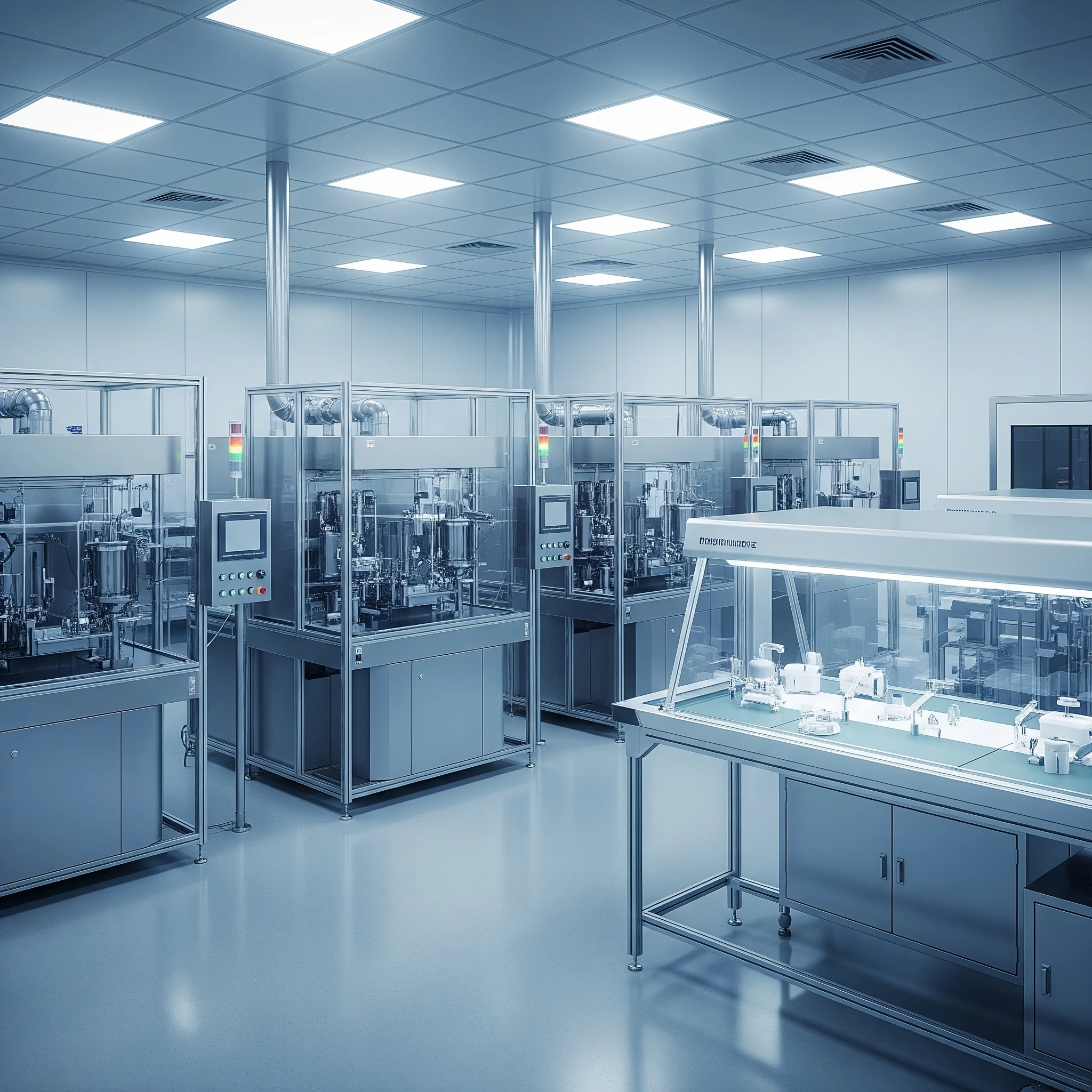
<p><span class="copy-text" style="font-weight: 400;">Für die Herstellung sensibler Produkte, wie z.B.: Medizinprodukte und In-Vitro Diagnostika, werden konstante und kontrollierte Umgebungsbedingungen benötigt.</span></p>
<p><span class="copy-text" style="font-weight: 400;">Diese gleichbleibende Umgebung kann durch so genannte Reinräume und spezifische Prozesse im und rund um den  Reinraum hergestellt werden.</span></p>
<p><span class="copy-text" style="font-weight: 400;">Die Vermeidung einer Kontamination der Produkte durch Partikel oder Mikroorganismen ist einer der Kernaufgaben eines Reinraumes.</span></p>
<p><span class="copy-text" style="font-weight: 400;"><img src="https://static.forento.site/fs/forento/userFiles/hapi/uploaded-media/cleanroomwithmachines-17494874831749.webp" alt="Clean Room with Machines" width="506" height="506" data-width="506" data-height="506"></img></span></p>
<hr></hr>
<h2><span class="copy-text" style="font-weight: 400;">Mitarbeiterschutz</span></h2>
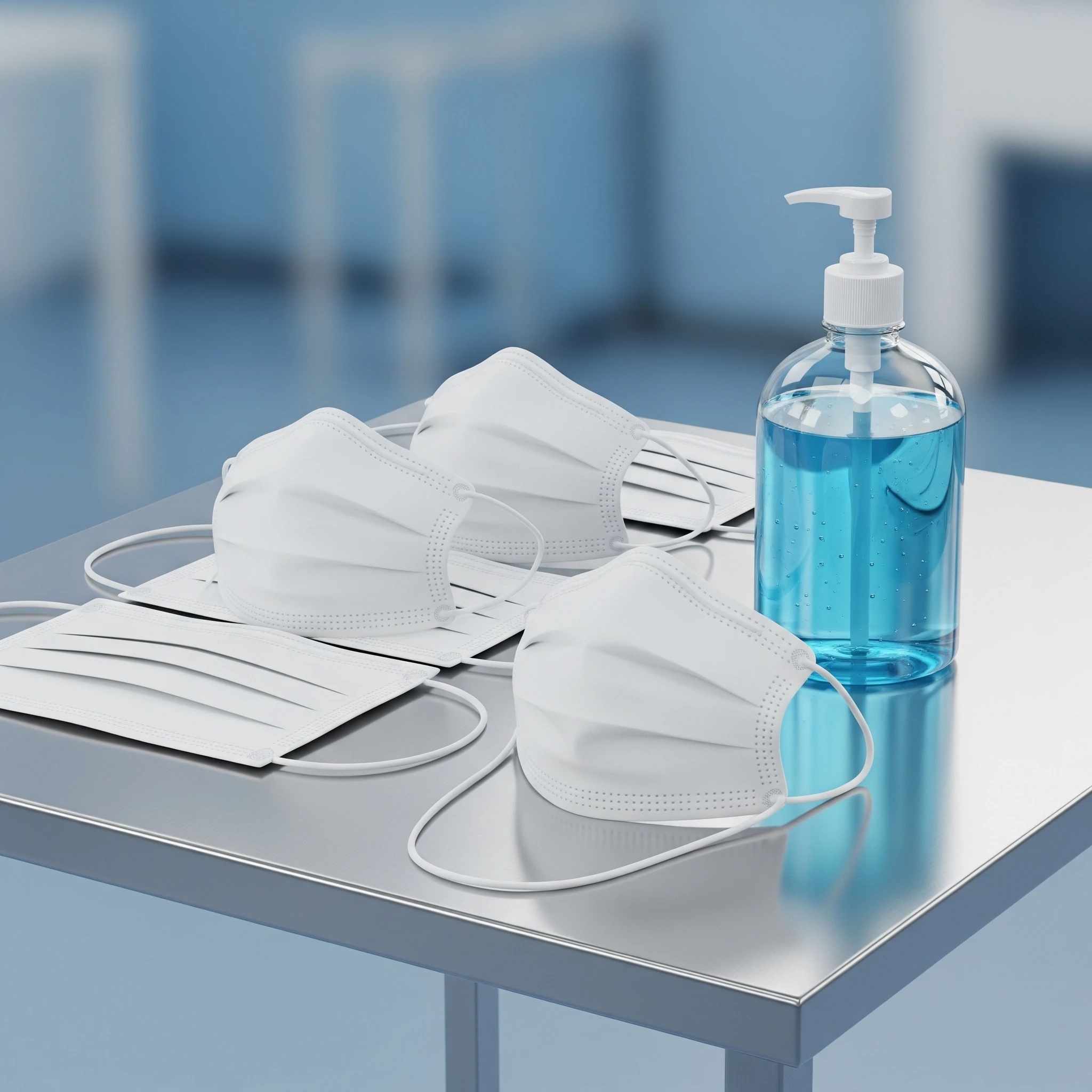
<p><span class="copy-text" style="font-weight: 400;">Das Arbeiten im Reinraum erfordert die Erstellung und Implementierung von unterschiedlichen Prozessen und Konzepten, wie z.B.: Schleusenprozesse, Reinigungs-, Bekleidungs- und Hgiene-Konzepte.</span></p>
<p><span class="copy-text" style="font-weight: 400;">Der Schutz von Gesundheit und Wohlbefinden der Mitarbeiter spielen auch hier eine wichtige Rolle:</span></p>
<ul>
<li style="font-weight: 400;" aria-level="1"><span class="copy-text" style="font-weight: 400;">Schutz der Mitarbeiter vor Risiken durch Produktionsprozesse.</span></li>
<li style="font-weight: 400;" aria-level="1"><span class="copy-text" style="font-weight: 400;">Schutz der Produkte vor einer Kontamination durch die Mitarbeiter.</span></li>
<li style="font-weight: 400;" aria-level="1"><span class="copy-text" style="font-weight: 400;">Mitarbeiter in Reinräumen müssen wissen, welche Gefahren mangelhafte Hygiene beinhalten und wie diese reduziert werden können.</span></li>
</ul>
<p><span class="copy-text" style="font-weight: 400;"><img src="https://static.forento.site/fs/forento/userFiles/hapi/uploaded-media/steeltablewithmasks-17494875309504.webp" alt="Table with Masks" width="511" height="511" data-width="876" data-height="876"></img></span></p>
<hr></hr>
<h2><span class="copy-text" style="font-weight: 400;">Sicherheit von Produkten und Patienten</span></h2>
<p><span class="copy-text" style="font-weight: 400;">Die Sicherheit von Produkten und in weiterer Folge die Sicherstellung der Patientensicherheit hat oberste Priorität!</span></p>
<p><span class="copy-text" style="font-weight: 400;">Um dies sicherzustellen, ist die Vermeidung und Überwachung von Verunreinigungen und kontrollierten (Umgebungs-) Bedingungen ein wesentlicher und unumgänglicher Bestandteil.</span></p>
<p><span class="copy-text" style="font-weight: 400;">Partikel und Mikroorganismen von Mitarbeitern, Materialien, Prozessen, Anlagen und Equipment können auf das Produkt und somit zum Patienten gelangen und ihn dadurch gefährden.</span></p>
<p><span class="copy-text" style="font-weight: 400;"><img src="https://static.forento.site/fs/forento/userFiles/hapi/uploaded-media/laborwithpills-17494875721955.webp" alt="Table with Pills" width="515" height="515" data-width="586" data-height="586"></img></span></p>
<hr></hr>
<h2><span class="copy-text" style="font-weight: 400;">Umweltschutz</span></h2>
<p><span class="copy-text" style="font-weight: 400;">Umweltschutz und Nachhaltigkeit sind bereits in der Planungsphase eines Reinraumes ausreichend zu betrachten.</span></p>
<p><span class="copy-text" style="font-weight: 400;">Ein weiterer wichtiger Aspekt des Umweltschutzes ist das Abfallmanagement. Im Reinraum wird tendenziell viel Müll produziert. Zudem werden vergleichsweise große Mengen an Reinigungs- und Desinfektionsmitteln benötigt.</span></p>
<p><span class="copy-text" style="font-weight: 400;">Es gilt auch hier sicherzustellen, dass alle Abfälle ordnungsgemäß entsorgt werden und nicht unkontrolliert in der Umwelt landen.</span></p>
<p><span class="copy-text" style="font-weight: 400;"><img src="https://static.forento.site/fs/forento/userFiles/hapi/uploaded-media/greenbottle-1749487630175.webp" alt="Green Bottle" width="518" height="518" data-width="870" data-height="870"></img></span></p>
<p> </p>
<p> </p>
<p> </p>
<p> </p>
<p> </p>
<p> </p>
<p> </p>
<p> </p>
<hr></hr>
<p> </p>
<p> </p>
<p> </p>
<p> </p>
<p> </p>
<p> </p>
<p> </p>
<p> </p>]]>
            </summary>
                            <link rel="enclosure" href="https://static.forento.site/fs/forento/userFiles/hapi/images/a-9-cleanroom-17494890252216.jpeg" length="1224388" type="image/jpeg" />
                        <category term="Clean Room" />
            <updated>2025-06-09T16:40:40+00:00</updated>
                    </entry>
    </feed>